Change Language :
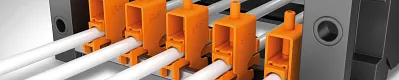
Cable strain relief for e-chain® cable carriers
igus® chainfix Strain Relief Solutions
igus® strain reliefs were developed specifically for use in e-chains® and dynamic applications. The combination of chainflex® cable materials and the contacting plastic components of the chainfix strain relief systems from igus® are designed for high cable durability and maximum retention force. igus® offers the best solution with regard to costs and benefits for a broad range of applications. For instance, the proven chainfix strain relief clamps for long travels or rough applications, or the chainfix strain relief nuggets for simple and low-priced strain relief solutions igus® chainfix strain reliefs have been tested under field conditions and have been in use for years by customers world-wide.
What types of strain relief does igus offer?


Minimum gap between the strain relief and the beginning of the bend radius
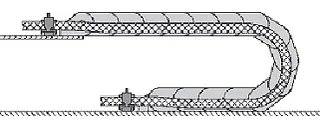
A series of in-house tests have shown that a small distance between the strain relief and the bend in the e-chain has no negative impact on the durability of chainflex cables. It is therefore possible to integrate a strain relief for cables directly into the mounting bracket. We offer strain relief options, such asthe chainfix clamp or the space-saving tiewrap plates for almost all e-chains.
Frequently Asked Questions
Strain relief prevents tensile forces from acting uncontrollably on cable connections. This is particularly important in dynamic or heavily stressed applications to prevent damage such as cable breakage or vibrations and shocks.
The right strain relief offers several decisive advantages:
- Increased service life of the cables: reduction of mechanical stress and prevention of cable breaks
- Greater operational reliability: fewer breakdowns due to damaged cables
- Economic efficiency: fewer cable breaks and failures significantly reduce repair and maintenance costs
- Better performance: cables can work more trouble-free, even with long and intensive mechanical use
A cable feed-through with strain relief fixes the cable in the cable gland or in the plug-in connector. The strain relief ensures that external forces are not transferred to the cable and are instead absorbed by the structure on which the strain relief is assembled.
The forces at the contacts in the connector or in the cable are then zero. No matter how much the cable moves on the outside, it is at rest on the inside. This protects the contacts and sensitive electronics.
To ensure the optimum performance of energy chains, the following criteria should be taken into account:
- Cable type and diameter: Flexible cables require different fastenings than thick cables
- Movement profile of the energy chain: High speed or tight bend radius influence the requirements
- Environmental conditions: Temperature, humidity and chemical load must be considered
- Assembly requirements: Quick maintenance or modularity are often decisive
igus has established itself as a leading supplier of cable carriers and accessories and offers numerous unique selling points that play a decisive role in the choice of cable strain relief. Here are the main reasons why strain reliefs from igus are the better choice for many applications.
- Customized for e-chains
- Cable-friendly design
- Many years of experience and expertise
- Comprehensive testing
- Large selection of strain relief options
Contact Us
Questions or product information? Please contact:

Customer Service
Customer Service:
Phone: Monday to Friday from 8 am - 8 pm
LiveChat: 24 hours
Book a Call
Book an Appointment with a Product Expert